
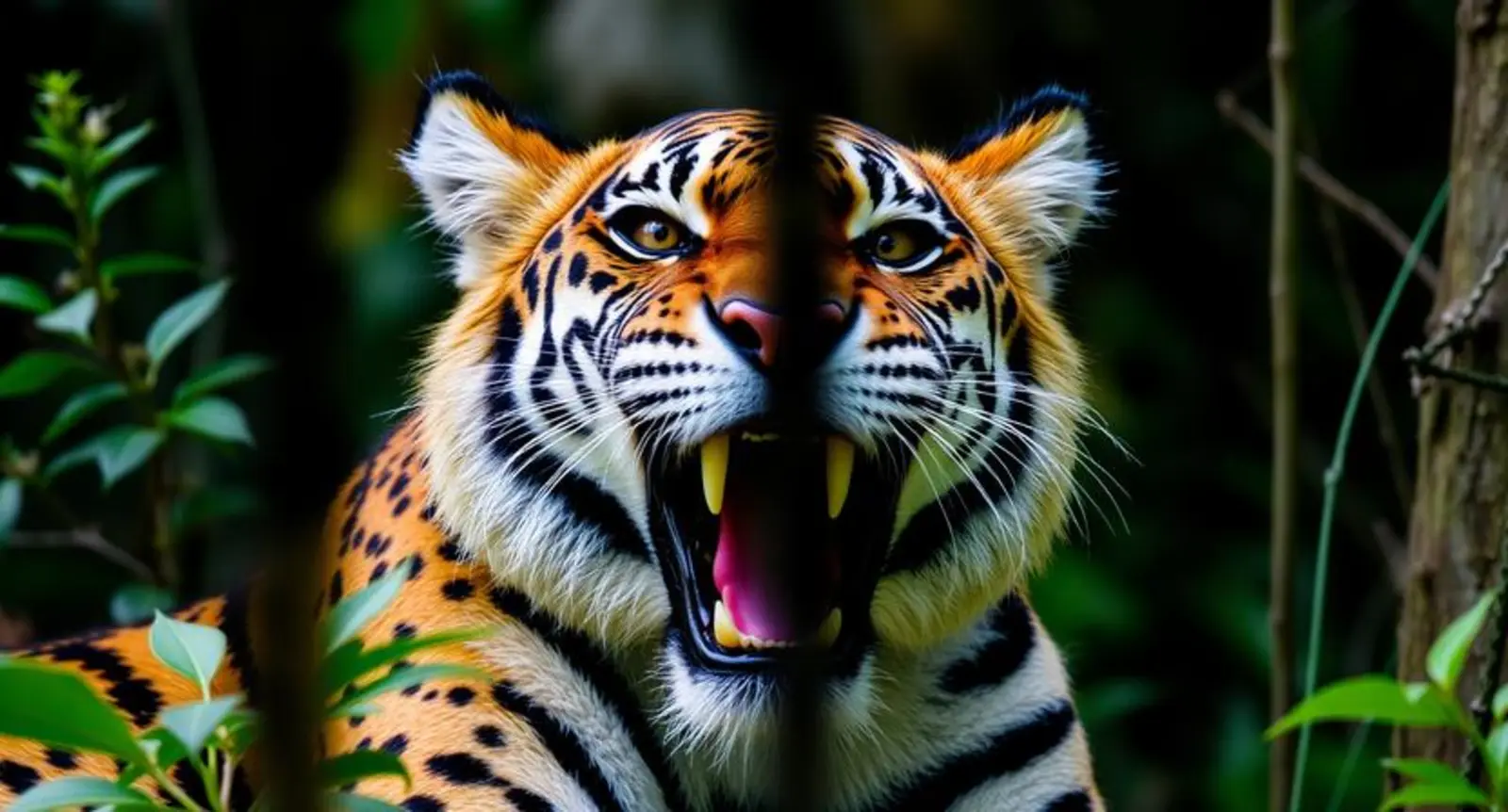
Quick Answer (Featured Snippet Ready) Common animalistic synonyms include beastly, bestial, feral, savage, wild, brutal, carnal, primal, instinctive, and barbaric. Choose based on intensity and context: feral for untamed wildness, bestial for brutal or sensual excess, primal for raw instinct, and beastly for informal harshness. Always match register, connotation, and audience.
When writers, speakers, or learners search for an “animalistic synonym,” they usually want more than a simple list. They need words that capture the precise shade of meaning—whether describing instinct-driven behavior, raw physicality, untamed nature, or morally charged brutality—while fitting the tone of conversation, professional writing, creative prose, or academic analysis. This guide delivers exactly that: a full topical resource built around semantic clusters, usage decision tools, and nuanced distinctions so you can select the most accurate and natural alternative every time.
What “Animalistic” Actually Means
“Animalistic” describes qualities, behaviors, or impulses that resemble those of animals rather than refined human civilization. It can refer to:
- Instinctive or primal drives
- Physical or sensual intensity
- Savage, brutal, or uncontrolled actions
- A lack of higher reasoning or social restraint
The word sits at the intersection of biology, psychology, morality, and aesthetics. Because of this range, a single synonym rarely works across all situations. Understanding the lexical field—and the subtle differences within it—is essential for clear, authoritative writing.
Why Learning Precise Animalistic Synonyms Matters
Using the same word repeatedly weakens writing. More importantly, choosing the wrong synonym can shift tone dramatically: feral suggests wild independence, while bestial often carries moral condemnation. In professional communication, creative work, leadership messaging, or academic discussion, the right choice signals control over register, connotation, and emotional impact. Expanding this lexical field also strengthens overall vocabulary range, improves reading comprehension of literary and psychological texts, and supports clearer expression of complex human experiences.
Original Framework: The Animalistic Intensity & Register Matrix
To move beyond random lists, use this practical decision tool. Plot any potential synonym along two axes:
- Intensity Scale (1–5): from mild instinct to extreme savagery
- Register Spectrum: informal → neutral → formal/literary
| Intensity | Informal / Conversational | Neutral / Everyday | Formal / Literary / Academic |
|---|---|---|---|
| 1–2 (Mild instinct) | wild, instinctive | primal, natural | visceral, innate |
| 3 (Strong animal drive) | beastly, animal | feral, carnal | bestial, savage |
| 4–5 (Extreme or moral) | brutal, savage | barbaric | atavistic, ferine |
This matrix helps you select language that matches both the emotional force you need and the audience’s expectations.
Semantic Clusters of Animalistic Synonyms
Everyday Conversation & Informal Language
- Beastly — Harsh, unpleasant, or roughly animal-like. Emotional tone: critical or exaggerated. Formality: low. Common collocations: beastly weather, beastly behavior, beastly hot. Example: “The traffic was beastly this morning.” Comparison: softer and more British-inflected than brutal.
- Wild — Untamed, uncontrolled, or energetic. Tone: often energetic or admiring rather than condemning. Formality: neutral-low. Collocations: wild party, wild instinct, run wild. Example: “Her laughter turned wild and animalistic.”
- Savage (informal use) — Fierce or ruthless. Can be playful (“savage roast”) or serious. Tone shifts with context.
Professional, Business & Leadership Communication Prefer restrained options. Primal or instinctive work better than bestial when discussing motivation or competitive drive. Example: “The team responded with a primal focus on survival metrics.” Avoid heavily moralized terms unless deliberately addressing ethical failure.
Academic, Psychological & Scientific Writing
- Primal — Relating to earliest or most basic instincts. Tone: analytical, non-judgmental. Formality: high. Collocations: primal fear, primal urge, primal scene.
- Atavistic — Reappearing from an earlier evolutionary stage. Tone: precise, evolutionary. Formality: high. Useful in discussions of regression or inherited traits.
- Visceral — Felt deeply in the body rather than the intellect. Overlaps with animalistic but emphasizes bodily reaction.
Creative Writing, Literary English & Emotional Expression
- Bestial — Of or like a beast; often implies cruelty or unchecked appetite. Tone: dark, moral, or sensual. Formality: literary. Collocations: bestial rage, bestial appetite, bestial nature. Example: “The bestial roar echoed through the ruined hall.”
- Feral — Existing in a wild state, especially after domestication. Tone: untamed, sometimes dangerous or free. Collocations: feral child, feral intensity, feral beauty.
- Carnal — Relating to physical, especially sexual, needs and appetites. Tone: sensual or moralistic depending on context. Formality: formal/literary.
- Barbaric — Extremely cruel or primitive. Strong moral judgment.
Persuasive Writing, Marketing & Public Speaking Use sparingly and deliberately. Primal can evoke powerful motivation (“tap into primal desire”). Savage or beastly risk sounding hyperbolic or negative unless the brand voice supports edge.
Key Synonym Deep Dives
Bestial Definition: Characteristic of beasts; marked by brutality or sensual excess. Emotional tone: Often negative or intensely physical. Formality: Medium-high / literary. Best contexts: Literary description, moral critique, psychological analysis. Grammar note: Adjective; less common as adverb. Example: “The dictator’s bestial policies reduced citizens to survival mode.” Vs. animalistic: Bestial usually carries stronger moral weight.
Feral Definition: Wild and untamed, especially after having been domesticated. Emotional tone: Neutral-to-dangerous or free. Formality: Neutral. Collocations: feral cats, feral aggression, feral independence. Example: “After years of isolation, his manners turned feral.” Vs. wild: Feral implies a return to wildness rather than never having been tamed.
Primal Definition: Essential, fundamental, or of earliest origin. Emotional tone: Powerful, foundational, often non-judgmental. Formality: Medium-high. Example: “The music triggered a primal response in the crowd.” Strong choice when you want intensity without moral condemnation.
Savage Definition: Fierce, violent, or uncontrolled; also primitive. Emotional tone: Aggressive or critical. Formality: Varies widely. Modern note: Can be used admiringly in informal speech (“that comeback was savage”).
Animalistic vs. Related Words
Animalistic vs. Bestial Animalistic is broader and often more neutral or descriptive. Bestial tends toward moral judgment or extreme physicality. Use animalistic for instinct; bestial for condemnation or heightened sensuality.
Animalistic vs. Primal Primal emphasizes origin and fundamental nature. Animalistic emphasizes resemblance to animals. Overlap is large, but primal feels more psychological or evolutionary.
Animalistic vs. Carnal Carnal focuses specifically on bodily and often sexual appetites. Animalistic can include aggression, territoriality, or pure instinct beyond the sexual.
Animalistic vs. Feral Feral stresses the wild, untamed state (frequently after domestication). Animalistic is the broader quality of being animal-like.
Antonyms and Contrasting Lexical Field
Useful opposites include: civilized, refined, cultured, rational, restrained, intellectual, sophisticated, humane. These create clear contrast when arguing for or against instinct-driven behavior.
Common Mistakes and Editing Tips
- Overusing animalistic when a more precise term exists.
- Applying high-intensity moral terms (bestial, barbaric) in neutral descriptive contexts.
- Ignoring register: beastly can sound oddly British or dated in some American professional settings.
- Forgetting collocation: “bestial weather” works; “primal weather” does not.
Professional editing recommendation: Read the sentence aloud. If the synonym creates unintended moral judgment or tonal clash, step down the intensity scale or shift register.
Practical Writing Advice for Different Audiences
- Customer service or educational materials: Prefer instinctive or primal.
- Creative fiction: Lean into feral, bestial, or visceral for texture.
- Leadership or motivational speaking: Primal often lands cleanly.
- Academic analysis: Atavistic or visceral add precision.
FAQ Section (AEO & AI Overview Optimized)
What is the closest synonym for animalistic? Bestial and feral are among the closest, depending on whether moral judgment or wildness is central.
Is animalistic always negative? No. Context determines connotation. It can describe healthy instinct, physical vitality, or problematic lack of restraint.
Can I use animalistic in formal writing? Yes, especially in psychology, literature, and philosophy. Pair it with precise surrounding language.
What are good animalistic synonyms for creative writing? Feral, bestial, primal, visceral, savage, carnal.
How do I choose between beastly and bestial? Beastly is more informal and often milder or exaggerated. Bestial is stronger and more literary.
Conclusion
Mastering the animalistic lexical field gives writers finer control over tone, intensity, and meaning. By treating synonyms as tools arranged along intensity and register axes rather than interchangeable labels, you produce clearer, more authoritative, and more human prose.
Whether you are refining a novel scene, clarifying psychological description, or sharpening professional communication, the right alternative elevates both accuracy and impact.