
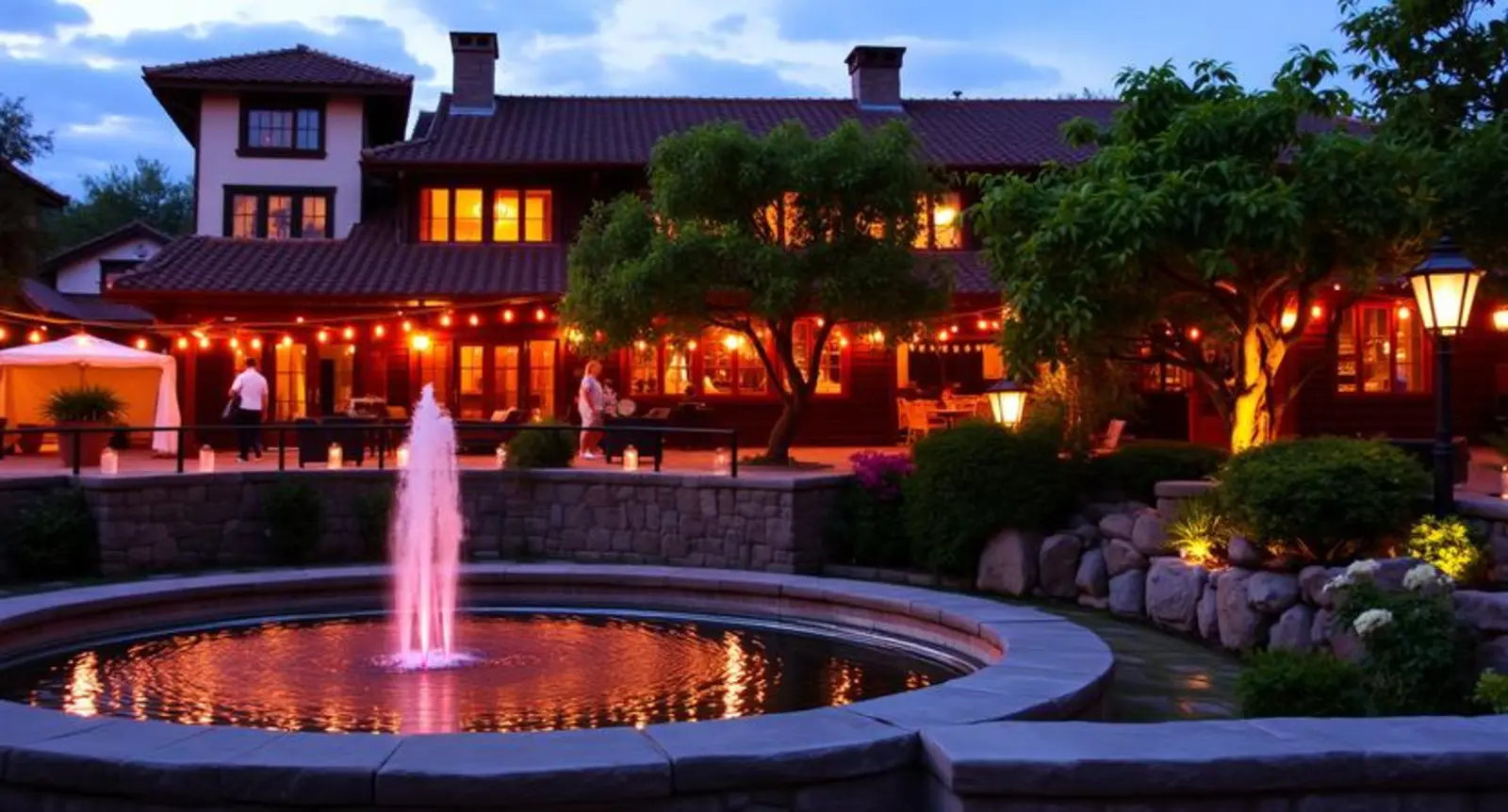
The most common and natural synonyms for ambiance are atmosphere, vibe, mood, aura, setting, and environment.
Choose “atmosphere” for formal or descriptive writing, “vibe” for casual conversation, “mood” when focusing on emotional tone, and “aura” when suggesting an intangible quality.
When people search for an “ambiance synonym,” they usually want more than a bare list. They need the right word for a restaurant review, a novel scene, a hotel description, a brand voice, or a simple conversation. This guide treats “ambiance” as a living lexical field rather than a static dictionary entry. You will find semantic clusters, intensity and formality scales, side-by-side comparisons, collocations, example sentences, and practical decision tools so you can select the most precise and natural alternative every time.
Why Synonyms for Ambiance Matter
“Ambiance” (also spelled “ambience”) names the distinctive character or feeling of a place or situation. It sits at the intersection of physical environment, sensory details, and emotional response. Using the same word repeatedly flattens prose and weakens SEO or AI-search visibility. A well-chosen synonym improves clarity, matches register, and signals topical depth to both human readers and language models.
An Original Framework: The Ambiance Lexical Ladder
Think of ambiance words along three axes:
- Sensory-Physical ↔ Emotional-Intangible
- Casual ↔ Formal
- Neutral ↔ Strongly Valenced (positive or negative)
This ladder helps you climb from everyday speech to literary or professional language without losing accuracy.
Everyday Conversation Cluster
These words feel natural in speech and informal writing.
- Vibe – The current informal champion. Light, flexible, and slightly trendy. Tone: casual, positive or neutral. Best contexts: social media, friend chats, quick reviews. Collocations: good vibe, chill vibe, weird vibe, the whole vibe. Example: “The café has such a relaxed vibe.” Note: Avoid in formal reports; it can sound too casual.
- Feel – Extremely common and versatile. Example: “I love the feel of this bookstore.”
- Mood – Emphasizes the emotional temperature. Example: “The lighting set a romantic mood.”
Professional & Business Communication Cluster
- Atmosphere – The closest and most widely accepted synonym in professional contexts. Formality: medium to high. Collocations: pleasant atmosphere, working atmosphere, charged atmosphere. Example: “The open-plan office creates a collaborative atmosphere.” Comparison: Atmosphere is broader and more neutral than ambiance; ambiance often carries a slightly more aesthetic or designed quality.
- Environment – Useful when the physical and social conditions matter. Example: “We designed a calm environment for focused work.”
- Setting – Strong when location and arrangement are central. Example: “The rooftop setting added to the evening’s elegance.”
Creative, Literary & Descriptive Writing Cluster
- Aura – Suggests an almost magnetic or spiritual quality. Tone: elevated, slightly mystical. Example: “The old library carried an aura of quiet scholarship.”
- Tone – Excellent for both physical places and abstract situations. Example: “The muted colors gave the room a contemplative tone.”
- Character – Highlights distinctive personality. Example: “The neighborhood has a lively, artistic character.”
- Spirit – Warm and human. Example: “The festival captured the spirit of the community.”
Formal, Academic & High-Register Cluster
- Ambience (the preferred British spelling in many formal texts) remains acceptable, but alternatives include:
- Milieu – Social or cultural surroundings (more academic).
- Climate – Especially for emotional or political “climate.”
- Surroundings – Straightforward and precise.
Emotional Expression & Marketing Cluster
For persuasive or experiential writing:
- Positive intensity ladder: pleasant atmosphere → warm ambiance → inviting vibe → enchanting aura → magical atmosphere.
- Negative intensity ladder: tense atmosphere → oppressive mood → toxic vibe → hostile environment.
Marketing tip: “ambiance” and “atmosphere” still perform well in hospitality and retail copy. “Vibe” works for younger audiences and lifestyle brands. Pair any of these with sensory details (lighting, sound, scent, texture) for stronger GEO and AEO performance.
Comparison Tables for Precision
Ambiance vs Atmosphere Ambiance often implies deliberate design or aesthetic intention. Atmosphere can be purely natural or accidental. In most modern usage they are interchangeable, but “atmosphere” is safer in formal documents.
Ambiance vs Vibe Vibe is more temporary and social; ambiance feels more stable and place-based. A party can have a great vibe; a historic hotel has lasting ambiance.
Ambiance vs Mood Mood centers on the emotional state of people; ambiance includes the physical contribution to that state. You can change the mood with music; you usually redesign the ambiance with décor and layout.
Ambiance vs Aura Aura is more intangible and personal. A person can have an aura; a room more naturally has ambiance.
Practical Decision Matrix
| Audience / Goal | Preferred Word(s) | Avoid |
|---|---|---|
| Casual conversation / social | vibe, feel, mood | milieu, aura |
| Restaurant / hotel review | atmosphere, ambiance, vibe | climate |
| Corporate / workplace | atmosphere, environment | vibe |
| Literary / descriptive | aura, tone, character | vibe |
| Academic writing | atmosphere, milieu, climate | vibe, feel |
| Marketing to Gen Z | vibe, energy | ambiance (sometimes) |
Collocations, Grammar & Common Mistakes
Strong collocations: create / cultivate / enhance / spoil / ruin the ambiance soft lighting, background music, and carefully chosen scents all shape ambiance.
Grammar note: “Ambiance” is countable when referring to distinct styles (“two very different ambiances”) but usually uncountable in general descriptions.
Common learner mistakes:
- Using “vibe” in academic essays.
- Treating “ambiance” and “environment” as exact equivalents (environment is broader and more physical).
- Overusing “magical ambiance” in marketing until it becomes empty.
Related Lexical Field & Vocabulary Development
Expand the field with: energy, energy field, presence, resonance, flavor (metaphorical), texture (of a place), personality of a space, sonic landscape, visual language.
Antonyms and near-opposites: sterility, bleakness, emptiness, chaos, hostility, clinical coldness.
Useful phrases and idioms: “set the tone,” “strike the right chord,” “create the right conditions,” “the place has a life of its own.”
Writing & Editing Advice for Stronger EEAT Signals
- Pair the synonym with concrete sensory detail.
- Match register to audience.
- Prefer precision over synonym-for-synonym’s-sake.
- In AI-search and voice-search contexts, natural full sentences (“The restaurant has a warm, intimate atmosphere”) outperform keyword lists.
- For topical authority, cover not only single words but also how lighting, sound, scent, and spatial arrangement create the feeling those words name.
FAQ Section (AEO & Featured-Snippet Optimized)
What is the best synonym for ambiance? Atmosphere is the most versatile and widely accepted synonym across formal and informal contexts.
Is vibe a formal synonym for ambiance? No. Vibe is informal and best reserved for conversational or lifestyle writing.
Ambiance or ambience – which spelling? Both are correct. “Ambiance” is more common in American English; “ambience” is preferred in British English and many formal publications.
Can I use aura instead of ambiance? Yes, when you want to emphasize an intangible or almost spiritual quality rather than the designed or physical character of a place.
How do I choose the right ambiance synonym for marketing copy? Match the word’s formality and emotional valence to your brand voice and target demographic, then support it with specific sensory proof.
Conclusion
This resource is designed as a living lexical map rather than a static list. Use the clusters, the ladder, and the decision matrix to move beyond surface-level synonym hunting and into precise, context-aware language.
Whether you are drafting a novel, optimizing a hotel landing page, writing a restaurant review, or simply looking for a fresher way to describe a room, the right word is now within reach.

“David Thompson is an advertising and consumer psychology writer who explores branding, marketing strategies, and the power of slogans in shaping successful brands.”