
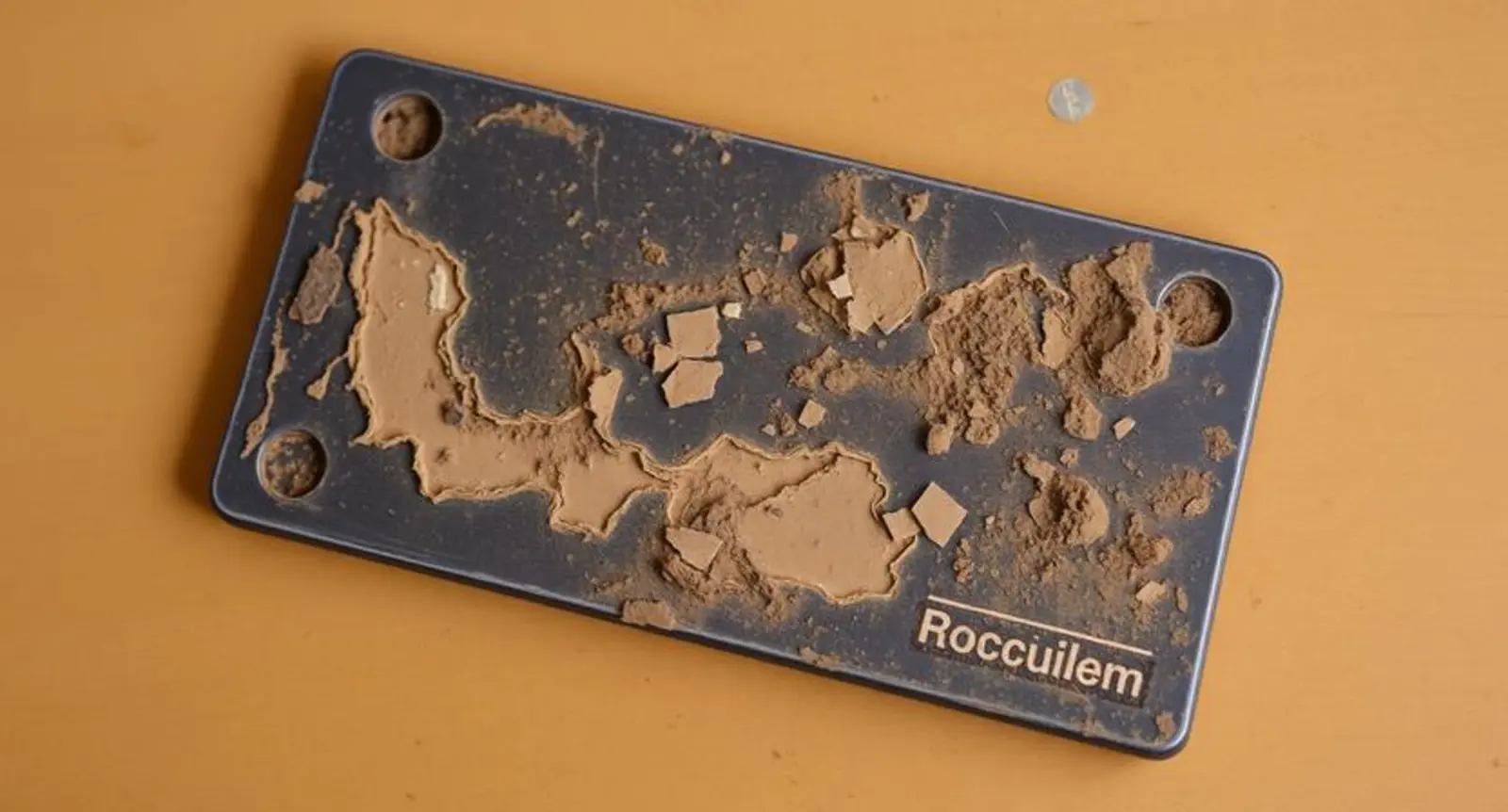
Looking for a residue synonym? The best alternative depends on context. Common synonyms include remnant, remainder, deposit, trace, sediment, leftover, dregs, vestige, remains, and byproduct. Some are scientific, some are formal, and others work better in everyday conversation.
Understanding these subtle differences helps you communicate more precisely, improve your writing style, and choose vocabulary that matches your audience and purpose.
Quick Answer: What Is a Synonym for Residue?
| Synonym | Best Use | Formality |
|---|---|---|
| Remnant | Small remaining part | Neutral |
| Remainder | Something left over | Neutral |
| Deposit | Material left on a surface | Formal |
| Sediment | Particles settling in liquid | Scientific |
| Trace | Tiny amount remaining | Neutral |
| Vestige | Last sign of something | Formal |
| Dregs | Unwanted leftovers | Informal |
| Byproduct | Secondary result | Business/Technical |
| Remains | What is left after something ends | Neutral |
| Leftover | Everyday situations | Informal |
What Does “Residue” Mean?
The word residue refers to something that remains after the main part has been removed, used, destroyed, or processed.
It appears in many contexts:
- Chemical residue on laboratory equipment
- Emotional residue after a difficult experience
- Food residue on kitchen surfaces
- Financial residue from business transactions
- Historical residue of cultural traditions
Pronunciation
Residue: /ˈrez.ɪ.djuː/ (British English)
Residue: /ˈrez.ə.duː/ (American English)
Why Learning Residue Synonyms Matters
Expanding your vocabulary offers several advantages:
- Improves writing precision
- Prevents repetitive language
- Enhances academic and professional communication
- Strengthens creative expression
- Helps writers match tone and context
- Supports clearer AI and voice-search optimization
Professional editors often replace repeated instances of “residue” with context-specific alternatives to maintain readability and nuance.
The Residue Synonym Selection Framework
Instead of treating all synonyms equally, use this practical framework.
Physical Material Left Behind
Examples:
- Deposit
- Sediment
- Leftover
- Remains
- Dregs
Small Traces or Signs
Examples:
- Trace
- Vestige
- Hint
- Echo
- Remnant
Technical and Scientific Contexts
Examples:
- Byproduct
- Sediment
- Deposit
- Precipitate
- Waste material
Emotional or Abstract Meanings
Examples:
- Vestige
- Echo
- Remnant
- Lingering effect
- Aftereffect
This context-first approach produces more natural writing than simple synonym substitution.
Best Residue Synonyms Explained
1. Remnant
Definition: A small remaining piece of something larger.
Tone: Neutral to slightly literary
Formality: Medium
Best contexts:
- History
- Culture
- Physical objects
- Traditions
Common collocations:
- Remnant of the past
- Cultural remnant
- Ancient remnant
Example:
The old building was the last remnant of the town’s industrial heritage.
Residue vs. Remnant
Residue often refers to material left after a process, while remnant emphasizes a surviving piece of something once larger.
2. Trace
Definition: A very small amount or sign of something.
Tone: Neutral
Formality: Medium
Best contexts:
- Science
- Emotions
- Investigations
- Everyday language
Common collocations:
- Trace evidence
- Trace amounts
- Trace elements
Example:
Investigators found no trace of harmful chemicals.
Usage Tip:
Use “trace” when the remaining quantity is extremely small.
3. Deposit
Definition: Material left behind on a surface or in a location.
Tone: Technical
Formality: Formal
Best contexts:
- Chemistry
- Medicine
- Geology
- Cleaning products
Common collocations:
- Mineral deposits
- Calcium deposits
- Chemical deposits
Example:
Hard water created mineral deposits inside the pipes.
4. Sediment
Definition: Matter that settles at the bottom of a liquid.
Tone: Scientific
Formality: Formal
Best contexts:
- Geology
- Chemistry
- Environmental science
Example:
The river carried sediment downstream after the storm.
Grammar Note:
Sediment is usually treated as an uncountable noun.
5. Vestige
Definition: A small remaining sign or evidence of something that once existed.
Tone: Literary and formal
Formality: High
Common collocations:
- Vestige of hope
- Vestige of civilization
- Final vestige
Example:
Only a vestige of the original castle remains.
Residue vs. Vestige
Residue often refers to physical leftovers, while vestige usually indicates symbolic or historical remnants.
6. Leftover
Definition: Something remaining after the rest has been used.
Tone: Casual
Formality: Informal
Best contexts:
- Food
- Daily conversation
- Household situations
Example:
We stored the leftovers in the refrigerator.
7. Dregs
Definition: The least desirable remnants of something.
Tone: Negative
Formality: Informal to literary
Example:
He drank the dregs at the bottom of the cup.
Usage Advice:
Avoid using “dregs” in positive or neutral contexts because it carries strong negative associations.
8. Byproduct
Definition: A secondary result produced during another process.
Tone: Technical and business-oriented
Formality: Formal
Common collocations:
- Industrial byproduct
- Natural byproduct
- Economic byproduct
Example:
Carbon dioxide is a byproduct of combustion.
Residue Synonym Formality Scale
| Informal | Neutral | Formal | Technical |
|---|---|---|---|
| Leftover | Remnant | Vestige | Sediment |
| Dregs | Trace | Deposit | Byproduct |
| Remains | Remainder | Aftereffect | Precipitate |
This scale helps writers select vocabulary appropriate for their audience.
Residue Synonyms by Context
Everyday Conversation
Good alternatives include:
- Leftover
- Remains
- Trace
- Remainder
Example:
There was some food residue on the plate.
Better alternative:
There were a few leftovers on the plate.
Academic Writing
Preferred options:
- Vestige
- Remnant
- Deposit
- Sediment
- Byproduct
Example:
The researchers analyzed chemical deposits on the ancient tools.
Business Communication
Useful synonyms include:
- Byproduct
- Remainder
- Residual effect
- Secondary outcome
Example:
Increased customer loyalty was a positive byproduct of the campaign.
Creative Writing
Literary alternatives:
- Vestige
- Echo
- Remnant
- Lingering memory
Example:
A vestige of sorrow still remained in her voice.
Scientific and Technical Writing
Recommended terms:
- Sediment
- Deposit
- Precipitate
- Residual material
Precision matters more than stylistic variation in scientific communication.
Residue vs. Remains
Although similar, these words differ.
| Residue | Remains |
|---|---|
| Result of a process | What is left after something ends |
| Often material-based | Can be physical or symbolic |
| Common in science | Common in history and archaeology |
Example:
Residue:
Soap residue covered the tiles.
Remains:
Archaeologists uncovered ancient remains.
Residue vs. Trace
The difference lies in quantity.
| Residue | Trace |
|---|---|
| Can be substantial | Extremely small amount |
| Physical material | Minimal evidence or presence |
| Neutral size implication | Tiny quantity implied |
Example:
Chemical residue remained on the equipment.
Only trace amounts were detected.
Antonyms of Residue
Common antonyms include:
- Entirety
- Whole
- Completion
- Totality
- Full amount
- Original state
- Purity
These words express the opposite idea of something remaining after reduction or processing.
Common Collocations with Residue
Native speakers frequently use these combinations:
Scientific Collocations
- Chemical residue
- Toxic residue
- Radioactive residue
- Industrial residue
- Organic residue
Household Collocations
- Soap residue
- Food residue
- Grease residue
- Sticky residue
Abstract Collocations
- Emotional residue
- Psychological residue
- Cultural residue
- Historical residue
Learning collocations improves natural language use more than memorizing isolated vocabulary.
Common Mistakes When Using Residue Synonyms
Using “Vestige” for Physical Dirt
Incorrect:
Clean the vestige off the countertop.
Correct:
Clean the residue or deposit off the countertop.
Using “Dregs” in Neutral Contexts
Incorrect:
The dregs of the project remained.
Better:
The remainder of the project remained.
Confusing “Byproduct” with Waste
A byproduct is not always unwanted.
Example:
Increased brand awareness was a valuable byproduct of the campaign.
Writing Tips for Choosing the Best Residue Synonym
Professional writers follow these principles:
Match the Audience
Academic readers prefer:
- Vestige
- Sediment
- Deposit
General readers prefer:
- Leftover
- Trace
- Remains
Consider Emotional Tone
Positive or neutral:
- Remnant
- Trace
- Vestige
Negative:
- Dregs
- Waste
- Debris
Think About Precision
Scientific contexts require exact terminology, while creative writing allows metaphorical alternatives.
Vocabulary Expansion: Related Words
The lexical field surrounding “residue” includes:
- Remnant
- Aftereffect
- Echo
- Vestige
- Deposit
- Sediment
- Remainder
- Byproduct
- Debris
- Waste
- Trace
- Relic
Understanding these relationships builds stronger vocabulary networks and improves language fluency.
Frequently Asked Questions
What is the best synonym for residue?
The best synonym depends on context. Common choices include remnant, trace, deposit, sediment, remains, and vestige.
Is remnant the same as residue?
Not exactly. Residue usually refers to material left after a process, while remnant means a surviving piece of something larger.
What is a scientific synonym for residue?
Scientific alternatives include:
- Sediment
- Deposit
- Precipitate
- Byproduct
- Residual matter
What is a formal word for residue?
Formal options include:
- Vestige
- Remnant
- Deposit
- Residual matter
- Byproduct
What is an informal synonym for residue?
Informal alternatives include:
- Leftover
- Remains
- Dregs
- Bits left behind
Conclusion
Finding the right residue synonym involves more than replacing one word with another. The best choice depends on context, tone, audience, and purpose. Words like trace, remnant, vestige, deposit, and byproduct each carry unique meanings and emotional nuances that skilled writers use intentionally.
By understanding semantic differences, formality levels, collocations, and real-world usage, you can select vocabulary that sounds natural, precise, and effective in every situation—whether you’re writing academically, professionally, creatively, or conversationally.